How to Choose the Right Waterproofing Materials for Your Property
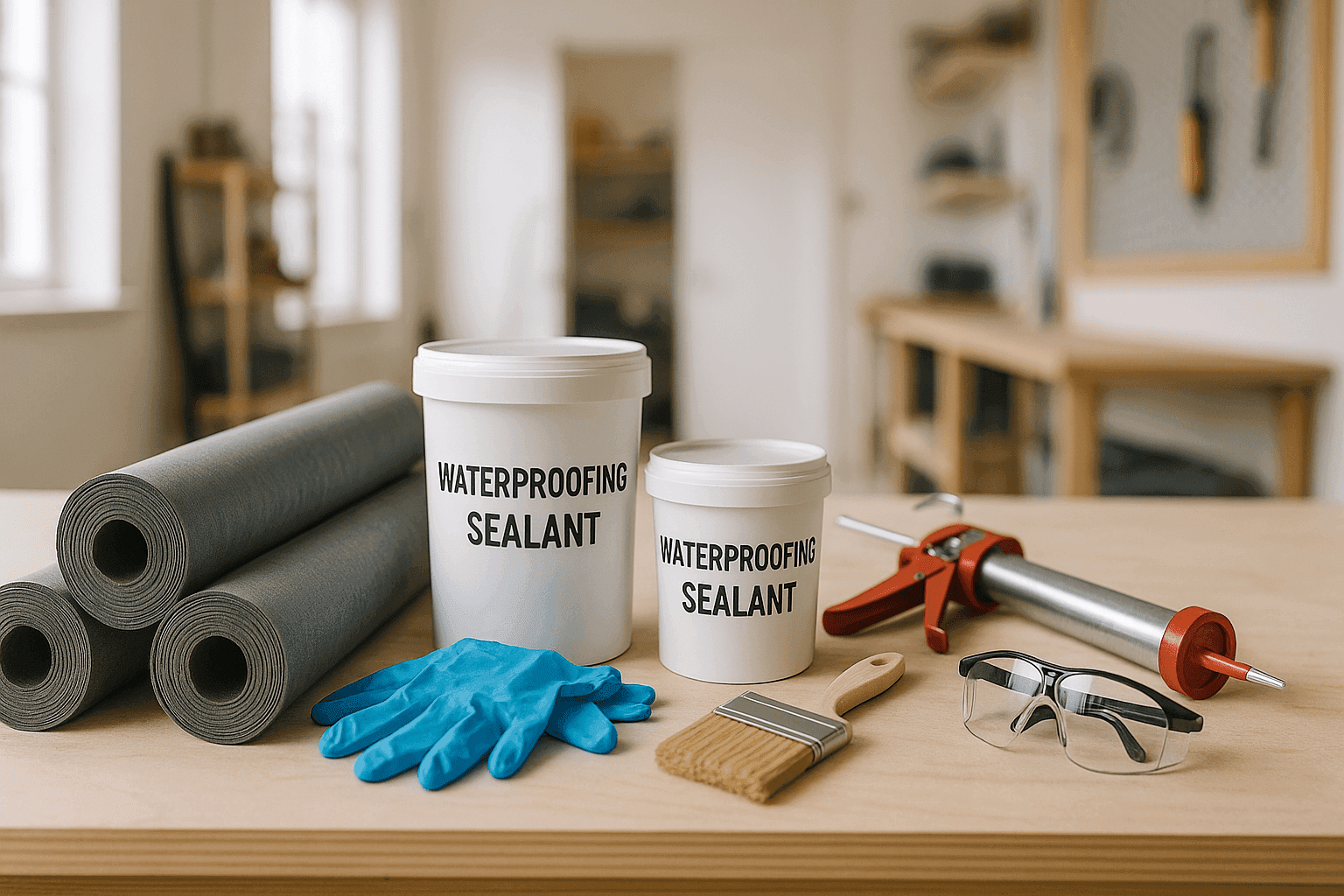
Property owners know water is persistent. Even the tiniest drip can turn into a major headache. Waterproofing isn’t just another item on your maintenance checklist—it’s the invisible shield that keeps your investment safe, dry, and standing strong.
At Rapid Response, we see the after-effects of poor material choices every day. That’s why we’re breaking down how to pick the best waterproofing materials for your space. Whether you’re a homeowner, a property manager, or a contractor, this guide will help you dodge common mistakes and make confident decisions that last.
Common Types of Waterproofing Materials
The world of waterproofing materials isn’t one-size-fits-all. Think of it like picking the right coat for the weather—some days call for a rain jacket, others require a heavy-duty parka. Here’s a quick look at your main options:
Waterproofing Membranes
- Sheet membranes: Rolled out like carpet, these offer a tough, continuous barrier. Popular for roofs, basements, and foundation walls.
- Liquid-applied membranes: Painted or sprayed on, they dry to form a seamless skin. Perfect for odd shapes or tricky corners.
Coatings
- Cementitious coatings: Mixed and brushed on—often used inside basements or on concrete walls.
- Elastomeric coatings: Stretchy and flexible, they handle cracks and movement well.
Sealants
- Polyurethane and silicone sealants: Like caulk, but built for serious weather. Great for joints and small gaps.
- Epoxy injections: Used to fill cracks deep within concrete, stopping leaks at the source.
Physical Barriers
- Plastic and rubber sheets: Used under floors or behind walls to block moisture—a simple but effective line of defense.
Every material has a job it does best. Picking the wrong one is like using an umbrella in a hurricane.
Matching Materials to Project Needs ☔
Not all waterproofing jobs are created equal. Your choices should fit your project’s specific needs:
Basement vs. Roof vs. Foundation
- Basements: Often need both interior and exterior protection. Liquid membranes, cementitious coatings, and drainage systems shine here.
- Roofs: Require UV-resistant membranes or elastomeric coatings. These keep the elements out and handle sun, rain, and snow.
- Foundations: Call for tough membranes and moisture barriers to keep groundwater from seeping in.
Residential vs. Commercial
- Residential properties: Focus on affordability, ease of application, and mold prevention. Light-duty membranes, coatings, and sealants often work well.
- Commercial properties: May need industrial-grade materials for larger surfaces, higher traffic, and code compliance. These often include reinforced sheet membranes and advanced drainage systems.
When to Call for "Damp Proofing Near You"
If you spot musty odors, bubbling paint, or visible leaks, it’s time to get help. The right material makes all the difference between a temporary fix and lasting peace of mind.
Longevity, Safety, and Environmental Factors
Waterproofing isn’t just about stopping water—it’s about protecting your health, your building, and the planet.
Longevity
Some materials last decades; others need touch-ups every few years. Sheet membranes and elastomeric coatings are known for their staying power, while basic sealants may need more frequent checks.
Safety
- Non-toxic options: Choose materials that are safe for indoor air quality, especially in homes or schools.
- VOCs (Volatile Organic Compounds): These can cause odors and health risks. Always check product labels or ask your contractor for low-VOC or VOC-free options.
Weather Resistance
- Look for products rated for your local climate. Some materials handle freeze-thaw cycles or high humidity better than others.
- Check manufacturer data sheets and look for certifications that meet local building codes or ASTM standards.
Professional Recommendations vs. DIY Choices 🏠
It can be tempting to grab a bucket of sealant and go. Sometimes, that’s enough. Other times, it’s like patching a sinking boat with duct tape.
When DIY Works
- Small cracks in basement walls
- Minor leaks around windows or doors
- Simple gutter repairs
When to Call a Professional
- Persistent leaks
- Mold growth or strong musty smells
- Foundation cracks or shifting
- Large-scale waterproofing system design (like French drains or sump pumps)
- Commercial properties with code requirements
Certified contractors like those at Rapid Response use professional-grade materials and proven methods. They also know what to look for beneath the surface—problems you might miss until it’s too late.
Practical Tips From the Field
- Always clean and dry surfaces before applying any waterproofing product.
- Don’t mix and match incompatible products. Some coatings or sealants won’t bond to each other.
- Allow proper curing time. Rushing can lead to weak spots or peeling.
- Inspect your property at least once a year, especially after extreme weather.
For in-depth guidance, check resources like the International Building Code (IBC) and manufacturer installation guides.
Frequently Asked Questions
How do I know if I need exterior or interior waterproofing materials?
Exterior solutions (like membranes and coatings) keep water out before it gets inside. Interior products (like sealants and moisture barriers) manage water that’s already gotten in. If you see signs of water inside, start with an inspection to find the source.
Can I use the same waterproofing material for my basement and my roof?
Usually not. Roofs need UV resistance and flexibility to handle movement, while basements need materials that work below grade and can handle soil pressure. Always match the product to its environment.
Are there eco-friendly waterproofing options?
Yes. Look for low-VOC or water-based coatings, recycled membranes, or suppliers who follow Green Seal or LEED guidelines.
How do material choices affect long-term maintenance?
Higher-quality materials may cost more upfront but often need fewer repairs and last longer—saving money in the long run.
Local and Seasonal Considerations 🌦️
Local climate matters. In wet, rainy areas, drainage and mold prevention are key. In places with hard freezes, choose products that flex with temperature swings. Always check local building codes for waterproofing requirements—some cities have strict rules that affect your choices.
If flooding or heavy rains are common, consider sump pump installation or French drains as part of your system. For high-humidity regions, moisture barrier installation and regular inspections matter most.
Final Thoughts
Choosing the right waterproofing material is like picking armor for your property. The fit, strength, and durability all matter. Don’t let water sneak in through the cracks—plan ahead, use the right materials, and keep your investment safe for years to come.
Call Rapid Response now — or reach us anytime at 855-578-5526 .