Basement Waterproofing 101: Signs, Solutions & Maintenance
Does your basement smell earthy or look a little off after heavy rain? Maybe you’ve noticed a chalky residue on the walls, or puddles where there shouldn’t be any water at all. These signs are more than an inconvenience—they’re warnings. Left unchecked, basement moisture can snowball into mold, damaged foundations, and costly repairs.
At Rapid Response, we know that every drop matters. Whether you own a home or manage a commercial building, understanding what’s happening beneath your feet can save you headaches, heartaches, and money.
Top Signs of Basement Water Problems 👃
A dry, healthy basement is never a given. Here’s what to watch for—these clues can be subtle at first, but they’re the breadcrumbs that lead to bigger issues.
-
Musty Smells
If your basement smells like an old library or damp soil, moisture is likely lurking. Microbial growth thrives in hidden corners, releasing odors that you just can’t mask with air fresheners. -
Wall Discoloration & Stains
Look for yellow, brown, or gray streaks on concrete or drywall. Water wicks up through porous material, leaving behind telltale marks and rings. -
Efflorescence (White Chalky Residue)
Those white, powdery deposits aren’t dust—they’re mineral salts left behind as water seeps through masonry. Efflorescence is a classic sign water is moving through your basement walls. -
Pooling Water or Damp Floors
Puddles or persistently damp spots, even small ones, signal that water is finding its way inside. Sometimes it only appears after rain or snowmelt, so keep an eye out after storms. -
Peeling Paint or Bubbling Wallpaper
Paint or wall coverings that peel, bubble, or flake are waving a red flag. This is moisture working from the inside out. -
Warped or Soft Baseboards
Wood near the floor that feels soft or looks swollen is absorbing water from leaks or high humidity.
Ignoring these early warnings can lead to mold, rot, and even structural problems. According to the International Association of Certified Home Inspectors (InterNACHI), even minor basement water issues should be addressed swiftly to prevent escalation.
Common Causes of Basement Moisture
Water always finds the path of least resistance. In basements, it can sneak in for a variety of reasons:
-
Poor Drainage Around the Foundation
If the ground around your home or business slopes toward the building, rainwater and melting snow collect at the foundation, increasing the risk of seepage. -
Cracks in Walls or Floors
Concrete naturally shrinks and settles over time. Tiny cracks can become highways for water, especially during freeze-thaw cycles. -
Faulty or Clogged Gutters & Downspouts
When gutters overflow or downspouts dump water too close to your foundation, it almost always ends up in your basement. Gutter maintenance is your first line of defense. -
Hydrostatic Pressure
Water builds up in soil after heavy rains, pressing relentlessly against basement walls. Over time, this pressure can force water through even the smallest openings. -
Leaky Window Wells or Poorly Sealed Windows
Window wells fill up like bathtubs during storms if not properly drained and sealed. -
Plumbing Leaks
Sometimes, the culprit isn’t outside at all. A leaky pipe or appliance can quietly saturate floors and walls from within.
Homes and commercial buildings are both vulnerable. The National Association of Home Builders (NAHB) recommends annual inspections to identify these risk factors early.
DIY Quick Fixes vs. Professional Waterproofing Repairs 🛠️
Should you roll up your sleeves or call in the cavalry? Here’s what you can tackle—and when to call Rapid Response.
DIY: What’s Safe to Handle
- Keep gutters clean and extend downspouts—Easy, low-cost, and highly effective.
- Monitor grading—Add soil to create a gentle slope away from your building.
- Seal small cracks—Use waterproof hydraulic cement for hairline cracks (but beware: this is often a temporary fix).
- Install a dehumidifier—Great for controlling humidity, not for stopping active leaks.
When to Call a Pro
- Persistent leaks or standing water
- Cracks wider than 1/8 inch
- Recurring efflorescence or mold
- Issues after every storm
- Basement finishing or renovation plans
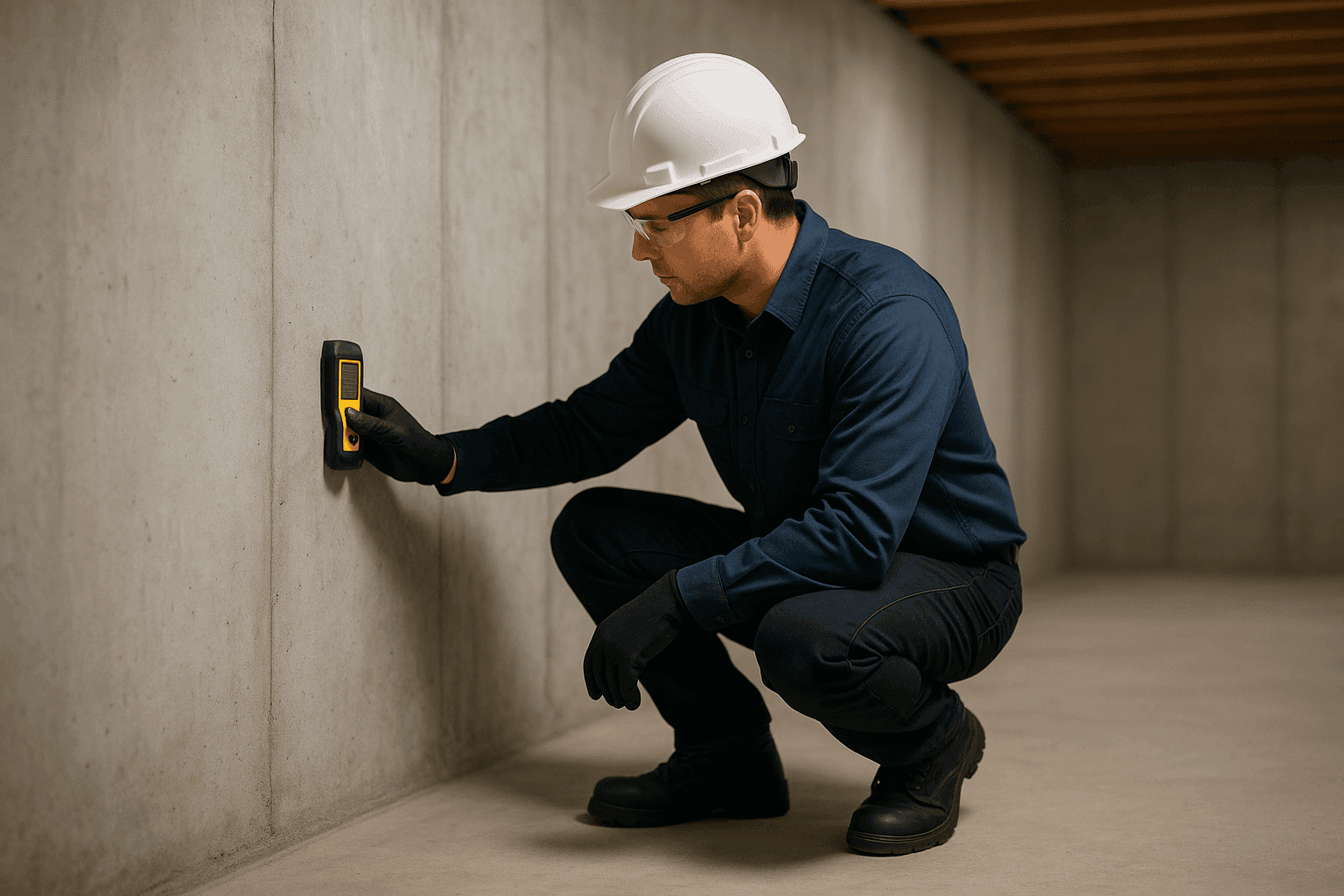
Professional waterproofing contractors like Rapid Response use specialized tools to diagnose problems—think thermal imaging, moisture meters, and pressure tests. We match solutions to your structure, from interior drainage systems to exterior waterproofing and full sump pump installations.
Industry standards from the Basement Health Association and the International Code Council (ICC) suggest professional inspections and repairs for anything more than cosmetic fixes.
Ongoing Maintenance & Seasonal Checks
Waterproofing isn’t a “set it and forget it” job. Think of it like changing the oil in your car—regular checkups keep things running smoothly.
What to Check
- Inspect gutters and downspouts every spring and fall
- Look for new cracks or stains after big storms
- Test sump pumps by pouring water into the pit
- Clear debris from window wells and exterior drains
- Walk the perimeter for soil erosion or pooling water
After Storms & Spring Thaw
After heavy rain or snowmelt, walk through your basement. Check corners, behind appliances, and under stairs. Early action keeps minor issues from turning into expensive headaches.
Maintenance Plans
A professional maintenance plan can include annual inspections, minor repairs, and system upgrades as needed. This is especially valuable for commercial properties or older homes.
How Pros Approach Waterproofing
When Rapid Response arrives, we bring more than just tools—we bring a plan.
-
Inspection
We use moisture meters, infrared cameras, and years of experience to locate water sources and hidden leaks. -
Diagnosis
Every building is unique. We identify root causes—whether it’s a grading issue, foundation crack, or failed gutter. -
Customized Solutions
From French drain installation to interior sealants, we design a system tailored to your needs. -
Quality Materials
We use industry-approved damp proofing and waterproofing materials, selected for your specific climate and structure. -
Documentation
Our detailed reports meet standards set by organizations like ASTM International and the National Association of Waterproofing and Structural Repair Contractors.
Waterproofing Costs & Time Factors 💸
Waterproofing costs can vary as much as the weather—every project is different. Here’s what affects the price and timeline:
- Type of Solution Needed
Sealing a small crack costs less than installing a drainage system or sump pump. - Size of Basement or Crawl Space
Larger spaces or complex layouts require more materials and labor. - Severity of Damage
Long-term leaks may mean mold remediation or structural repairs. - Materials Used
High-quality coatings and drainage systems last longer, but may cost more up front. - Accessibility
Finished basements or tight crawl spaces can take longer to work in.
On average, minor repairs can be completed in a day or two, while comprehensive waterproofing projects may span a week or more. According to the National Association of Realtors®, investing in waterproofing can increase your property value and prevent future costs.
When It’s an Emergency
Some basement problems just can’t wait:
- Rapidly rising water
- Electrical hazards near standing water
- Sudden foundation cracks
- Sewage backups
In these situations, safety comes first. Shut off power to affected areas and avoid standing water. Then call for emergency waterproofing services—Rapid Response is equipped to handle urgent problems quickly and safely, prioritizing your well-being.
FAQ: Your Common Basement Waterproofing Questions
How often should I check my basement for water issues?
Walk through your basement at least once every season, and after any major storm. Look for new stains, cracks, or musty smells.
Can waterproof paint really stop leaks?
Waterproof coatings may help with minor dampness, but they’re not a cure for active leaks or structural cracks. They’re best used as part of a larger system.
What’s the difference between damp proofing and waterproofing?
Damp proofing protects against soil moisture, while waterproofing guards against both moisture and liquid water under pressure. For most basements, true waterproofing is the safer bet—search for “Damp Proofing near you” to see both options.
Is mold always a sign of water problems?
Almost always. Mold needs moisture to grow, so its presence means you have a humidity or leak issue that needs to be addressed.
Local & Seasonal Considerations 🌦️
Basement water problems don’t follow the calendar, but some times of year are riskier:
- Spring Thaw
Melting snow saturates the ground, increasing hydrostatic pressure. - Heavy Summer Rains
Clogged gutters and failing drainage become painfully obvious. - Winter Freeze-Thaw Cycles
Cracks widen and let in more water as the ground expands and contracts.
If you live in an area with clay soils, high water tables, or frequent storms, consider more robust waterproofing solutions. The best defense is a layered approach—grading, drainage, interior sealants, and regular inspections.
Ready to Protect Your Basement?
Basement moisture won’t disappear on its own. The sooner you address the warning signs, the easier (and less expensive) it is to fix. Whether you need leak detection, sump pump installation, or a full waterproofing system upgrade, Rapid Response is here to help.
Call Rapid Response now — or reach us anytime at 855-578-5526 .